case study 01 —
Sunnyside Farms — Co-Founder & Development Manager
April–Sept 2020, Denver, CO, USA
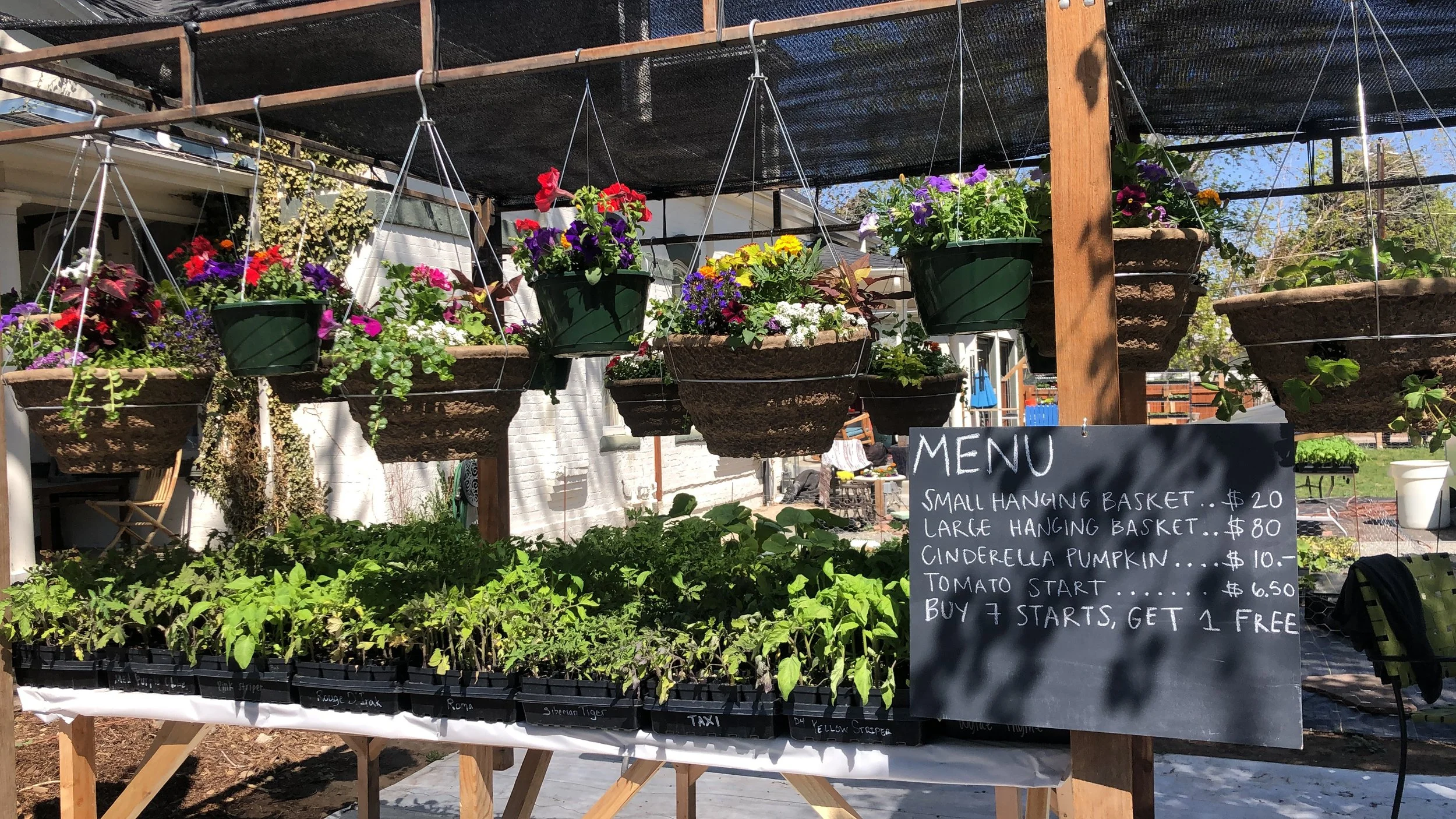
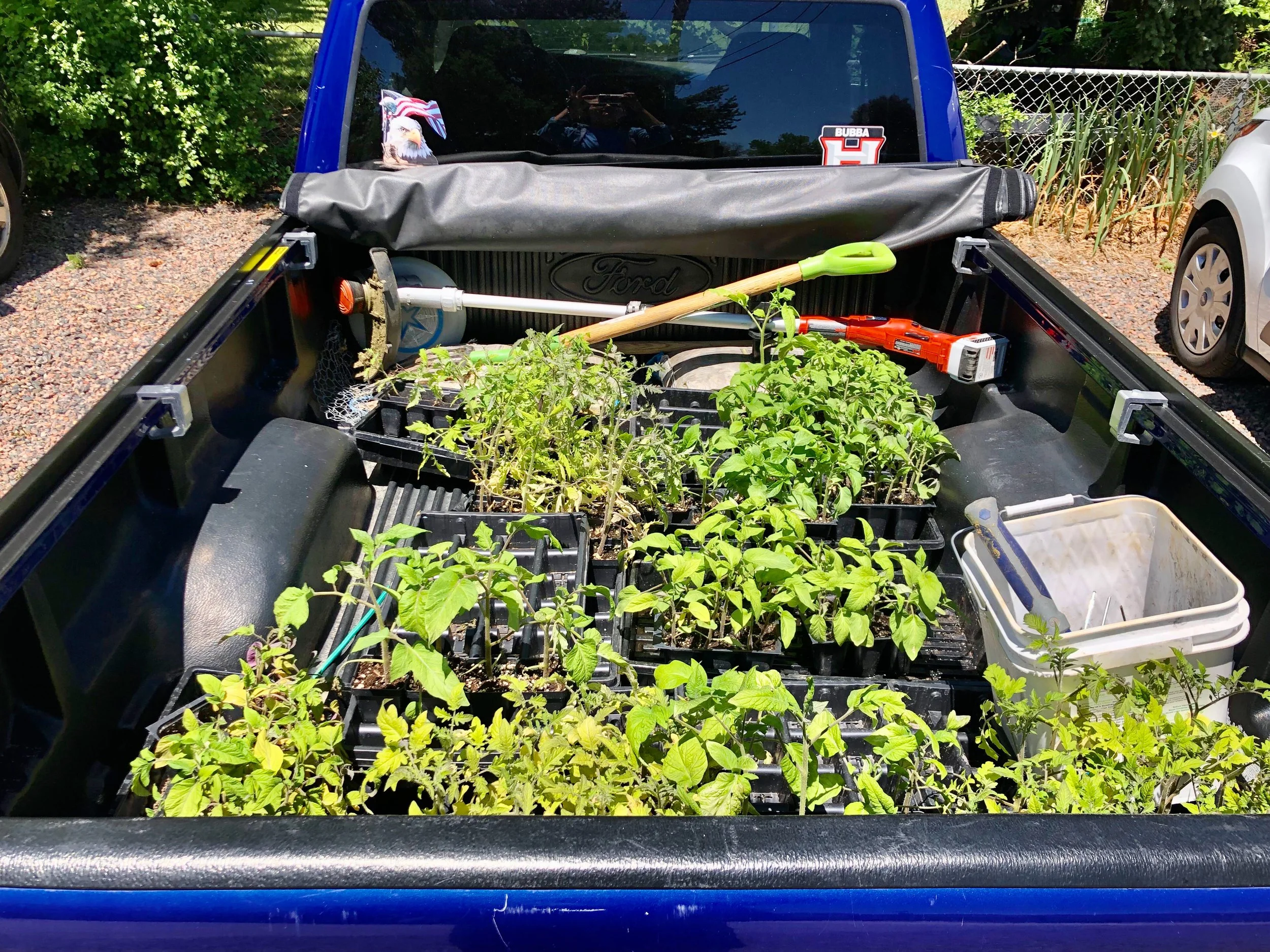
Context: Sunnyside Farms began as a collaboration: a friend brought land, tools, and seeds — including 36 varieties of heirloom tomatoes — and the agricultural know-how to grow them. What was missing was a way to get that harvest into the world and turn it into a viable business.
Challenge: Neither the tomatoes nor the farm existed as a business yet. There was no customer base, no brand, no sales channel, and no established relationships with restaurants or the local community — just raw growing capacity that needed a go-to-market strategy built from scratch.
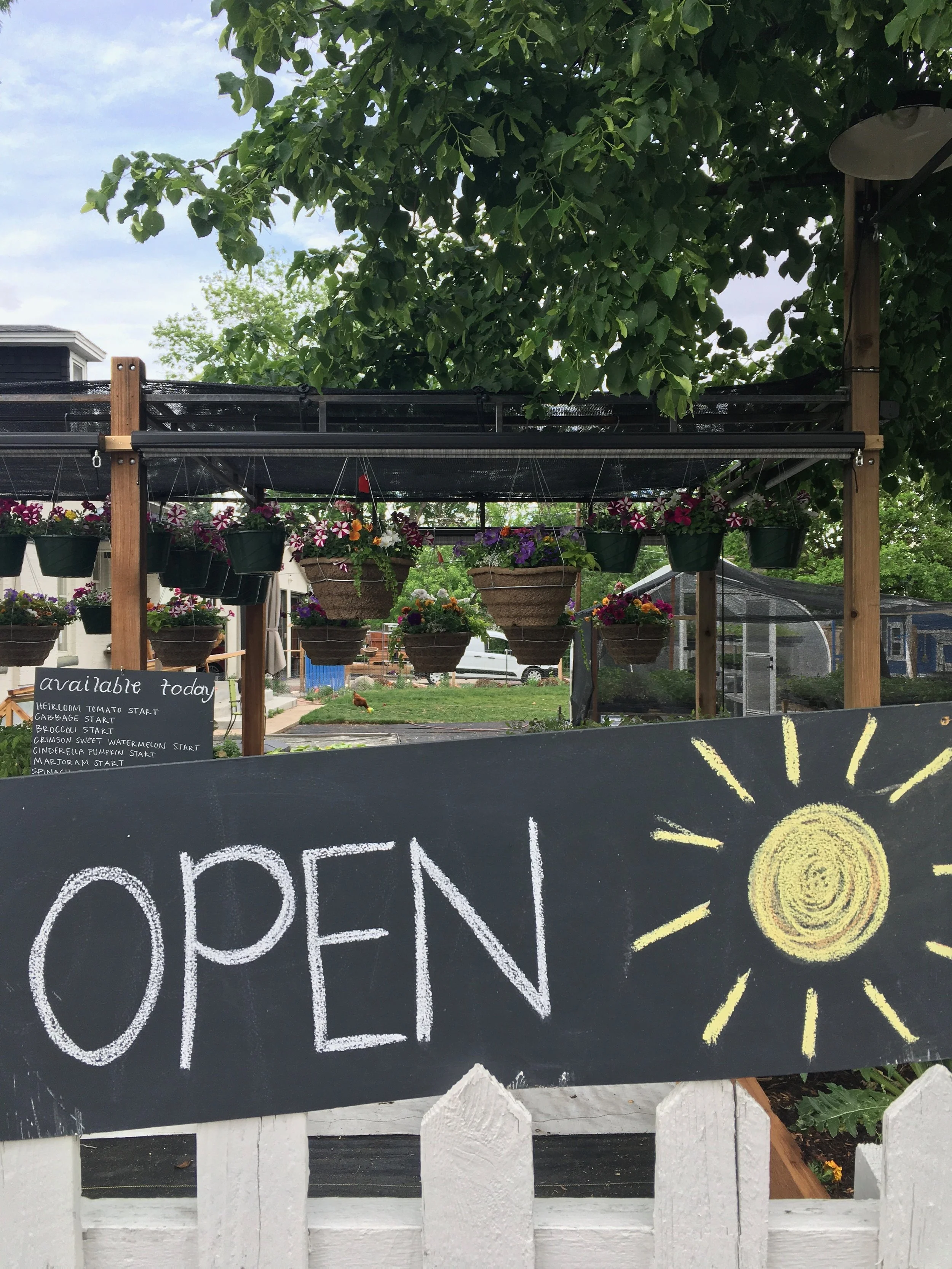
Approach: I took on the business development and marketing side end-to-end, and treated most of it as a series of experiments to see what actually worked. I built a tomato catalogue and went restaurant to restaurant to build relationships, eventually landing 10+ restaurant partnerships buying tomatoes and other vegetables. To grow visibility beyond direct sales, I tried different tactics: going door-to-door looking for collaborators, and donating surplus cucumbers to a local food bank as a way of testing community-based visibility strategies. On the revenue side, I experimented with seasonal offers like a Mother's Day flower sale to see what could boost sales beyond the core tomato business. I also built the farm's entire public presence from nothing — creating the social media channels, developing the brand voice, and managing all digital communication — plus organized farm stands and set open hours. In year two, I helped launch a CSA program to diversify revenue further.
Outcome: $30,000+ in revenue in year one, 10+ ongoing restaurant partnerships, a CSA program launched in year two, and a farm that went from a friend's backyard growing project to a functioning small business with a public brand and multiple sales channels.
case study 02 —
Tradewater — Business Development Intern
Jun 2016–Jan 2017
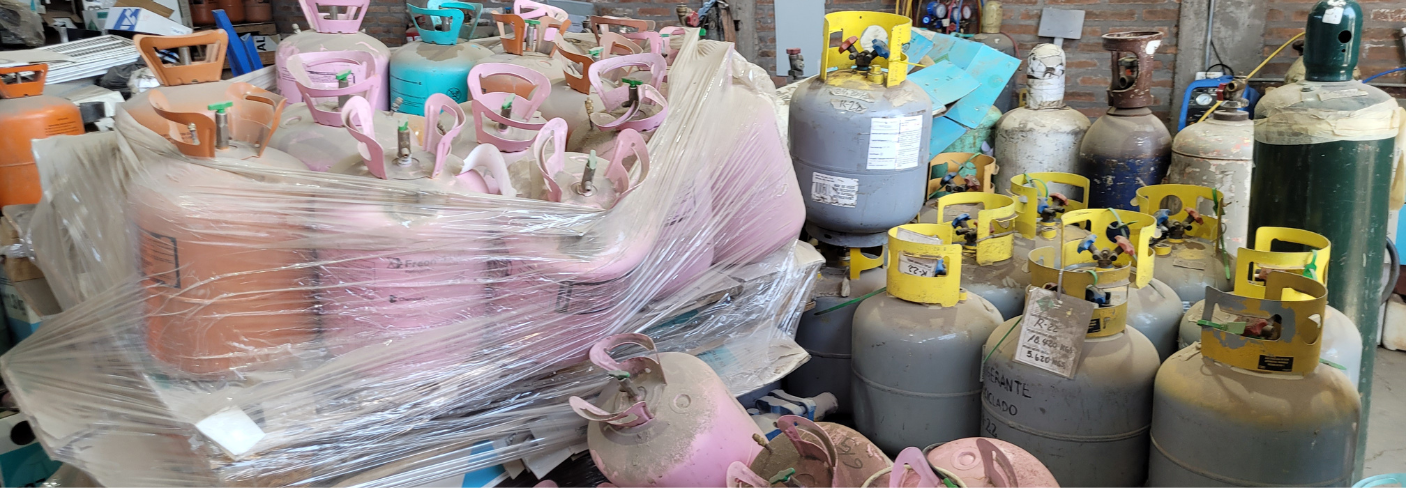
Context: Tradewater is a B-Corp focused on collecting and destroying potent greenhouse gases — old refrigerants (halocarbons) and leaking methane from orphaned oil wells — gases banned from production decades ago but still sitting in circulation and at risk of release. The recovered material becomes the basis for verified carbon credits.
Challenge: Locating, negotiating for, and logistically coordinating the recovery of legacy refrigerant gases scattered across hundreds of individual holders nationwide — a fragmented, relationship-driven supply chain with no centralized inventory and no obvious channel for finding leads.
Approach: I managed the full pipeline of 500+ client relationships through a custom CRM, tracking leads from first contact through recovery. With no established playbook for finding people sitting on old refrigerant stock, I tested a range of outreach channels — billboard space, newspaper and magazine ads, and cold calls — before finding my two most effective sources: cold calling and scanning Craigslist ads to identify people likely to be holding old refrigerant units. Once I found what worked, I focused effort there.
Outcome: Contributed to the recovery of 15,924.94 tons of CO2e-equivalent emissions avoided, personally collecting 4,398.98 tons of that total. Independently identified 3,631 lbs of Freon and personally retrieved 1,003 lbs of it.
case study 03 —
The Future is Fungi Award — Award Coordinator
Jun 2025–NOV 2025

Context: The Future is Fungi Award is the world's leading award for fungi-powered innovation, backing startups using fungal science to tackle environmental challenges. I joined to coordinate the 2025 Startup Award — which ultimately drew 187 entrants from 59 countries — and to build the operational systems needed to run it and future editions.
Challenge: A global award of this scale had no repeatable infrastructure — applications, judging, and outreach all needed a system built from scratch. Part of the challenge was also learning to balance two things at once: getting the right input and information from my director, while building enough confidence in my own judgment to make decisions independently rather than deferring on everything.
Approach: I designed the core systems from the ground up — an application review workflow, a judging rubric, and a communications cadence — and selected and implemented Award Force as the application platform. For outreach, I ran a multi-channel strategy: posting across social media, directly emailing partners and judges, and creating a dedicated group chat that brought together sponsors, judges, applicants, and mentors in one place — which helped the award reach entrants across 59 countries. I also documented routines and SOPs so future editions wouldn't need to rebuild the process from scratch.
Outcome: Successfully ran the 2025 Startup Award, drawing 187 entrants from 59 countries competing for a €250,000 investment prize, with winners including Michroma (1st), Mycolever (2nd), and HIRO Technologies (3rd). Left behind a repeatable operational system — application workflow, judging rubric, communications SOPs — that the award has continued to build on into its 2026 edition.